
Preservation-Focused Cleaning for Historical Vehicles
Antique Car Detailing in Arizona for vehicles with original finishes requiring expertise and careful handling
Antique vehicles often have single-stage paints, hand-rubbed lacquer finishes, or original upholstery materials that degrade rapidly when exposed to modern detailing chemicals formulated for urethane clear coats and synthetic fabrics. Motor City Auto City LLC uses pH-neutral cleaners, natural fiber brushes, and controlled water flow to remove decades of accumulated grime without stripping patina or causing moisture damage to wood dashboards, horsehair padding, or fabric roof liners that lose integrity when saturated. Tempe's low humidity helps prevent mold growth on stored vehicles, but dust infiltration and UV exposure through garage windows still create cleaning challenges that require specialized knowledge of how pre-1950s materials react to cleaning agents.
The detailing process respects the vehicle's originality by distinguishing between dirt that should be removed and surface aging that contributes to authenticity. Chrome and nickel plating are cleaned to remove oxidation without excessive polishing that would thin the plating layer, and leather is conditioned with lanolin-based products that maintain flexibility without adding artificial shine. Engine compartments are detailed using brushes and solvent application rather than pressure washing, which can force water into magnetos, distributors, and carburetors that weren't designed to resist moisture intrusion.
Arrange a pre-service review to assess your vehicle's materials and identify areas requiring specialized care before detailing begins.
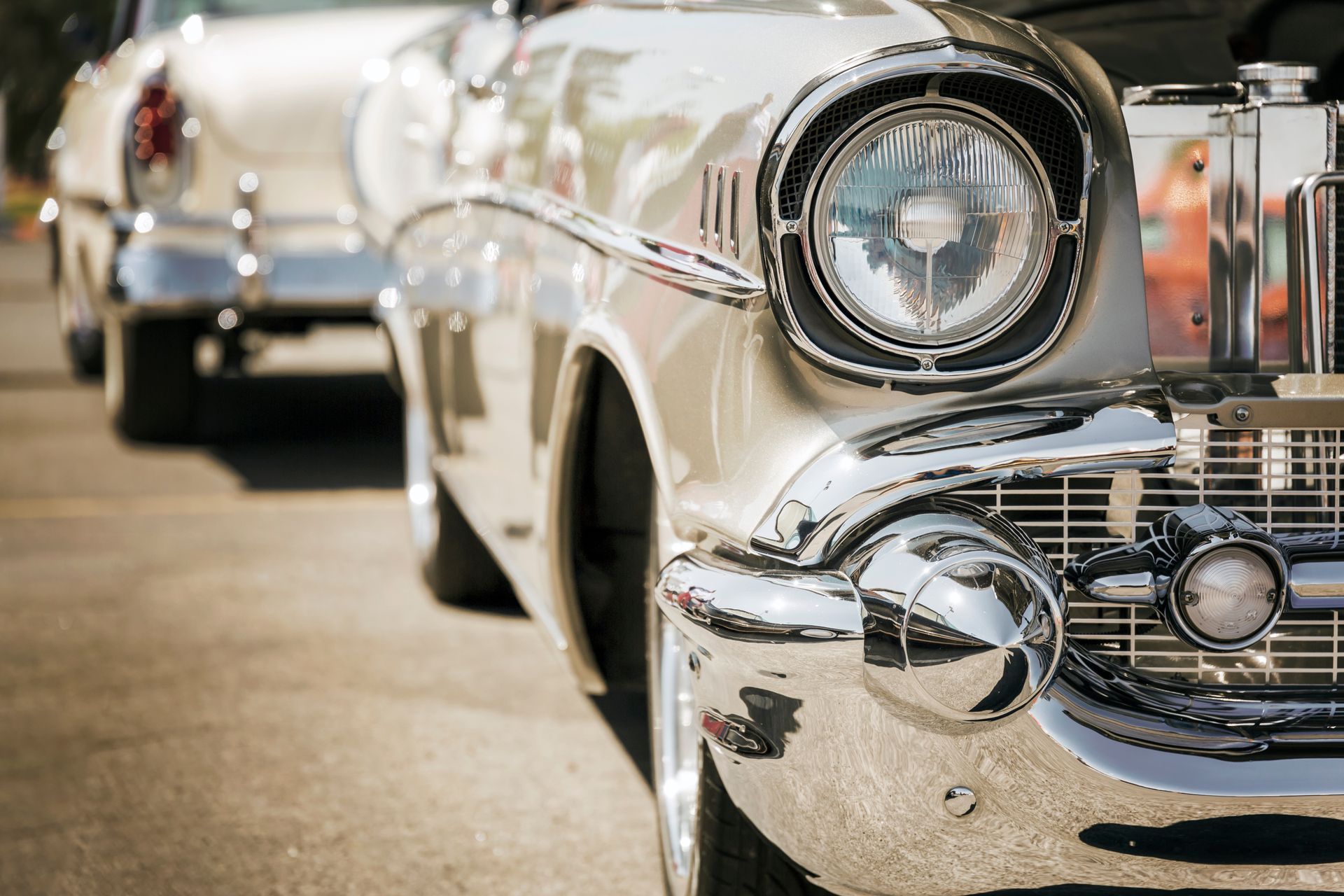
How Detailing Maintains Showroom Presentation
Work begins with careful inspection to identify fragile components like cracked window seals, loose trim, or deteriorating rubber that could be damaged during cleaning. Hand washing is performed using two-bucket methods with grit guards, and sections are rinsed immediately after washing to prevent soap from drying on porous paint surfaces. Interior detailing includes vacuuming with adjustable suction to avoid pulling loose fibers from original carpets, and wood surfaces are cleaned with damp cloths rather than spray cleaners that leave streaks or residue.
Once completed, the vehicle's paint shows improved clarity without the dullness caused by accumulated wax layers or environmental film, and chrome pieces reflect light evenly rather than appearing hazy or streaked. Upholstery looks refreshed without the stiff, artificially darkened appearance that results from silicone-based dressings, and glass is clear without streaking or residue in the corners where modern ammonia cleaners tend to pool. Motor City Auto City LLC documents the vehicle's condition with photography before and after detailing, which serves as a record for insurance purposes or concours judging.
The service is suited for vehicles preparing for car shows, entering long-term storage, or undergoing regular maintenance to prevent deterioration. It does not include paint correction for heavy oxidation, mechanical repairs, or replacement of missing trim pieces, which fall under restoration rather than detailing. Antique vehicles maintained with regular detailing retain their presentation and reduce the need for more invasive restoration work later.

Common Questions About This Service
Owners of antique automobiles frequently ask about the precautions necessary to clean aging materials and how detailing fits into long-term preservation strategies.
What precautions are necessary when detailing vehicles with original lacquer paint?
Lacquer finishes are more porous and solvent-sensitive than modern clear coats, so detailing uses alcohol-free cleaners and avoids prolonged water exposure that can cause paint to lift or discolor, and drying is performed immediately after washing to prevent water spots from etching the surface.
How is original upholstery cleaned without causing damage?
Natural fiber fabrics and leather are vacuumed gently and spot-cleaned with pH-neutral solutions applied sparingly, avoiding saturation that could weaken adhesives, promote mildew, or cause dyes to bleed onto adjacent materials.
Why should antique vehicles avoid automatic car washes?
The brushes, high-pressure sprayers, and harsh detergents used in automatic washes can scratch single-stage paint, strip fragile chrome plating, force water into unsealed body seams, and damage rubber seals that have lost flexibility over time.
How often should antique vehicles be detailed in Arizona's environment?
Vehicles driven occasionally benefit from detailing every three to six months to remove dust and contaminants before they bond permanently, while show cars may require more frequent detailing before events to maintain presentation standards for judging.
What maintenance can owners perform between professional detailing sessions?
Dusting with clean microfiber towels, covering the vehicle when stored, and promptly removing bird droppings or insect residue prevent contaminants from etching the finish, reducing the frequency of intensive detailing and preserving the vehicle's condition over time.
Motor City Auto City LLC develops care plans based on your antique vehicle's age, originality, and how it's used. Request a service consultation to review the detailing approach suited to your automobile's specific needs.