Interior Surfaces That Stay Supple
Leather Conditioning and UV protection in Paradise Valley, Ahwatukee, Chandler, Gilbert, Queen Creek, Scottsdale, Phoenix, and Surrounding Areas for dry, cracked, or faded leather caused by Arizona heat and direct sunlight
Untreated leather dries out quickly in Arizona's low-humidity climate, especially in vehicles parked outdoors where dashboard and seat temperatures regularly exceed 150 degrees during summer months. Motor City Auto Detailing applies conditioning/UV protection treatments that restore moisture and flexibility to leather surfaces before cracking progresses to the point where only reupholstery can address the damage. Conditioning/UV Protection improves the feel of the leather while reducing the visible signs of wear that make interiors look older than the rest of the vehicle.
The treatment penetrates the leather to restore softness and prevent the surface from becoming brittle, which is what causes the small cracks that eventually spread across high-contact areas like seat bolsters and armrests. Proper conditioning/UV protection also slows color fading caused by UV exposure breaking down the dyes used in factory leather finishes.
Schedule an interior evaluation to assess current leather condition and determine whether conditioning/UV Protection alone will address the wear or if restoration work is needed first.
What Changes After Leather Is Properly Treated
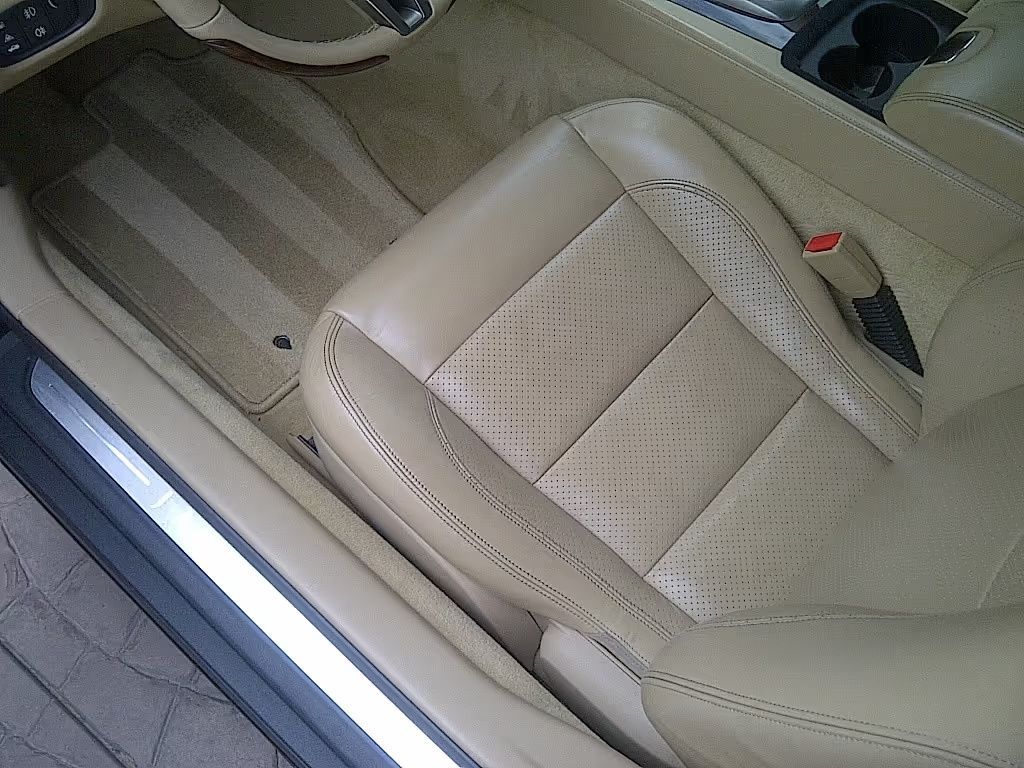
Conditioned leather feels noticeably softer and more pliable compared to the stiff, dry texture that untreated surfaces develop after months of heat exposure. The treatment also restores a slight sheen to the surface without making it look greasy or artificially glossy.
Motor City Auto Detailing focuses conditioning/UV protection on the areas most affected by heat and contact, including seats, steering wheels, door panels, and center consoles. You'll notice that treated leather stops shedding the fine dust that dry surfaces release when touched, and the material regains some of the resilience it had when new.
This service can be added to full interior detail packages or performed as a standalone treatment for vehicles where the leather is the primary concern. Conditioning/UV protection doesn't repair existing cracks or tears, but it prevents minor surface dryness from progressing into structural damage that requires professional repair or replacement.

Answers to Frequent Service Questions
Owners of vehicles with leather interiors often ask how conditioning/UV protection fits into regular maintenance and what it actually prevents.
How often should leather be conditioned in Arizona's climate?
Most vehicles benefit from conditioning every three to four months, since the combination of heat and low humidity pulls moisture out of leather faster than in more temperate regions.
What's the difference between cleaning and conditioning/UV protecting leather?
Cleaning removes dirt and oils from the surface, while conditioning replenishes the moisture and flexibility that the leather loses over time through heat exposure and normal use.
Why does leather crack in some vehicles but not others?
Cracking happens when leather loses too much moisture and flexibility, which occurs faster in vehicles parked in direct sun, driven with windows down in dusty conditions, or left untreated for extended periods.
Will conditioning restore color to faded leather seats?
Conditioning improves the appearance of faded leather by restoring moisture and sheen, but it won't return the surface to its original color if UV exposure has broken down the dye itself.
When should I consider leather repair instead of conditioning/UV protection?
Repair becomes necessary when cracks extend through the surface layer, when the leather is torn, or when large sections have worn through to the backing material underneath.
Motor City Auto Detailing provides leather conditioning/UV protection for vehicles across Paradise Valley, Ahwatukee, Chandler, Gilbert, and Scottsdale, with treatments designed to address the accelerated wear caused by Arizona's climate. Request a leather assessment to determine the best maintenance schedule for your vehicle's interior based on current condition and sun exposure.