
Care Plans for Vehicles That Demand Precision
Collector Vehicle Detailing in Arizona for rare and specialty automobiles requiring preservation-focused cleaning
Collector vehicles often feature original paint, fragile chrome, or period-correct upholstery that cannot tolerate aggressive cleaning methods without risking irreversible damage to finishes that add historical and monetary value. The detailing approach varies significantly based on whether the vehicle has been restored, maintained in original condition, or modified with modern components, since each scenario requires different products and techniques. Motor City Auto City LLC evaluates the vehicle's age, finish condition, and storage environment before selecting cleaning agents, determining whether hand washing or waterless methods are safer, and identifying areas where patina should be preserved rather than removed.
Detailing for collector cars prioritizes contamination removal without altering the surface characteristics that define the vehicle's authenticity. Dust, oils, and mineral deposits are lifted using pH-neutral solutions and soft application tools that prevent scratching or etching. Chrome and polished metal receive dedicated treatment to remove oxidation without over-polishing, and interior surfaces are cleaned with products that don't leave residue or alter the texture of aged materials like leather, wood, or Bakelite.
Request an evaluation to review your vehicle's specific materials and determine the appropriate detailing methods before work begins.
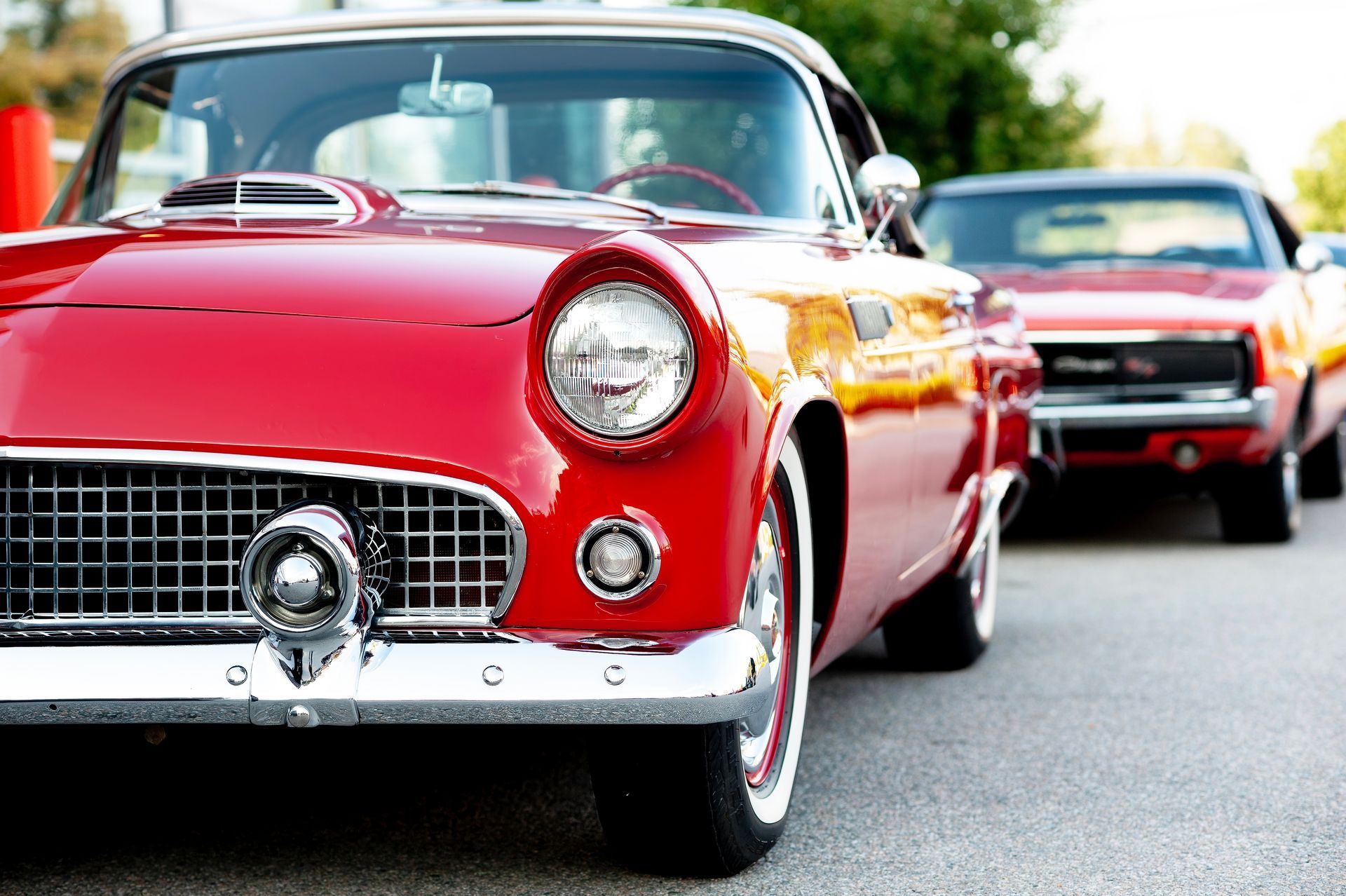
What Proper Detailing Requires for Collectibles
The process begins with compressed air to remove loose dust from crevices, followed by a gentle wash using separate microfiber mitts for painted surfaces, glass, and trim. Water temperature is controlled to avoid thermal shock on older paint, and drying is performed with filtered air or high-pile towels to prevent particle drag. Engine bays are cleaned using brushes and degreasers selected based on the type of components present, with electrical connections and carburetors protected from moisture exposure.
After detailing, the vehicle's finish appears clean and uniform without losing the depth or character that comes from proper aging. Chrome loses its haze and reflects light evenly, and interior surfaces feel clean without the artificially shiny appearance that modern dressings create. Panel gaps and trim lines are free of wax buildup, and glass is clear without streaking from ammonia-based cleaners that can damage tinted or laminated vintage windows.
The service is customized to whether the vehicle is preparing for a concours event, entering climate-controlled storage, or being maintained for occasional driving. Show preparation includes additional attention to undercarriage cleanliness and engine bay presentation, while storage preparation focuses on protective treatments that prevent moisture damage and oxidation during periods of inactivity. The detailing does not include mechanical work, paint correction on heavily oxidized surfaces, or replacement of deteriorated materials, which require separate restoration services.

Answers to Frequent Service Questions
Owners of collectible vehicles typically want to know how detailing differs from restoration and what precautions are necessary to protect originality during cleaning.
What's the difference between detailing and restoration for collector vehicles?
Detailing removes dirt and contaminants to reveal the existing finish without altering it, while restoration involves refinishing, repainting, or replacing components to return the vehicle to a specific condition, often removing original materials in the process.
How is original paint treated differently than restored finishes during detailing?
Original paint is cleaned using non-abrasive methods that avoid removing patina or thinning the existing clear coat, while restored finishes can tolerate light polishing if swirl marks or oxidation are present and the owner prioritizes gloss over authenticity.
Why does chrome on older vehicles require special care?
Vintage chrome plating is often thinner than modern applications and may have micro-pitting or surface rust that aggressive polishing would worsen, so detailing focuses on removing surface contaminants with gentle compounds rather than trying to restore a mirror finish that may not be achievable without replating.
How should collector vehicles be maintained between professional detailing sessions in Arizona?
Vehicles stored indoors benefit from regular dusting with microfiber cloths and occasional use of detailing spray to remove fingerprints, while driven vehicles should be rinsed promptly after exposure to remove dust and road film before it bonds to the paint in Arizona's heat.
What documentation or photos are provided after detailing?
Detailed photography of the vehicle's condition post-service can be provided for insurance records, event submissions, or personal archives, capturing the cleanliness and presentation achieved through the detailing process.
Motor City Auto City LLC tailors the detailing process to your vehicle's historical significance, current condition, and intended use. Schedule a consultation to discuss the care plan suited to your collector automobile.