
Trim That Looks Finished Instead of Faded
Interior & Exterior Plastic Conditioning in Paradise Valley, Ahwatukee, Chandler, Gilbert, Queen Creek, Scottsdale, Phoenix, and Surrounding Areas for chalky, discolored trim caused by years of UV exposure and heat
Plastic and vinyl surfaces fade faster in Arizona than almost anywhere else, turning from deep black or gray to a chalky, washed-out appearance that makes even well-maintained vehicles look neglected. Motor City Auto Detailing treats interior dashboards, door panels, consoles as well as exterior trim pieces using conditioning products that restore darker tones, improve surface flexibility, and protect against UV damage.
Interior plastics are cleaned to remove dust and oils before the conditioner is applied to restore a uniform finish without leaving a greasy residue. The exterior trim is treated to bring back the darker color and reduce the faded look that develops on bumpers, mirror housings, and window moldings. Arizona heat accelerates this breakdown, which is why untreated trim can look severely aged within just a few years of sun exposure.
Schedule a vehicle assessment to identify which interior and exterior surfaces would benefit most from conditioning based on current wear patterns.
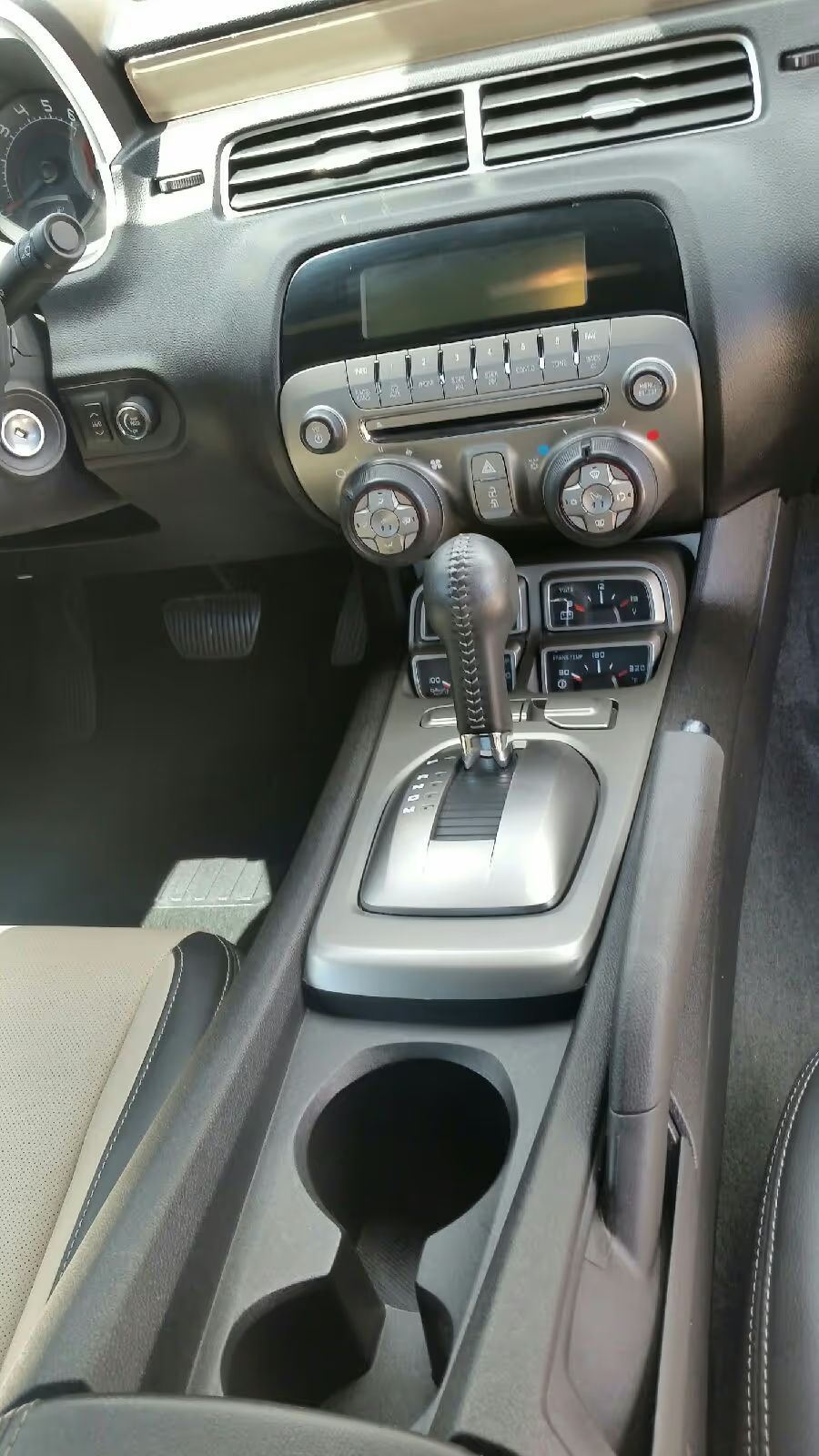
The Difference Between Cleaned and Conditioned Surfaces
Conditioning goes beyond surface cleaning by treating the material itself rather than just removing dirt, which is why conditioned trim looks richer and more uniform compared to surfaces that have only been wiped down. The products penetrate the plastic to restore flexibility and slow the cracking that happens when the material becomes too dry and brittle.
After treatment, exterior trim regains the deep black or gray tone it had originally, and interior surfaces develop a natural-looking finish that doesn't reflect light the way overly shiny dressings do. You'll also notice that dust doesn't settle as quickly on conditioned interior plastics because the treatment reduces the static charge that attracts airborne particles.
This service pairs well with both interior and exterior detail packages when you want a more complete restoration rather than spot treatment. Conditioning won't reverse structural cracks or warping, but it prevents minor surface dryness from progressing into visible damage that can't be addressed without part replacement.

What Property Owners Usually Ask
Drivers often want to know how conditioning affects long-term appearance and whether the treatment works on all types of plastic and vinyl.
What causes plastic trim to turn white or chalky over time?
UV exposure breaks down the chemical structure of the plastic, causing the surface layer to oxidize and lose its color uniformity, which creates the faded, chalky appearance.
How long does conditioning last on exterior trim in Arizona's climate?
Exterior treatments typically last one to two months before sun exposure and washing begin to fade the effect, which is why regular conditioning helps maintain consistent appearance.
Why does interior plastic look shiny after some treatments but not others?
Lower-quality dressings sit on the surface and create an artificial gloss, while proper conditioning products absorb into the material to restore a factory-like satin finish.
Will conditioning prevent dashboard cracking in hot vehicles?
Conditioning helps maintain flexibility and slows the drying process that leads to cracks, but it can't completely prevent damage in vehicles exposed to extreme heat for extended periods without any shade protection.
When is it better to replace trim instead of conditioning it?
Replacement becomes necessary when the plastic is cracked, warped, or broken, or when the color has faded so severely that conditioning can't restore a uniform appearance.
Motor City Auto Detailing conditions plastic and vinyl surfaces on vehicles throughout Gilbert, Queen Creek, Phoenix, and surrounding areas, with treatments designed to address the accelerated wear caused by desert climate. Arrange a trim evaluation to determine which surfaces need immediate attention and what maintenance schedule will preserve the improvements over time.