Protective Layers Designed for Premium Paint
Luxury Car Ceramic Coating in Arizona for high-end vehicles requiring defense against UV damage and contaminant bonding
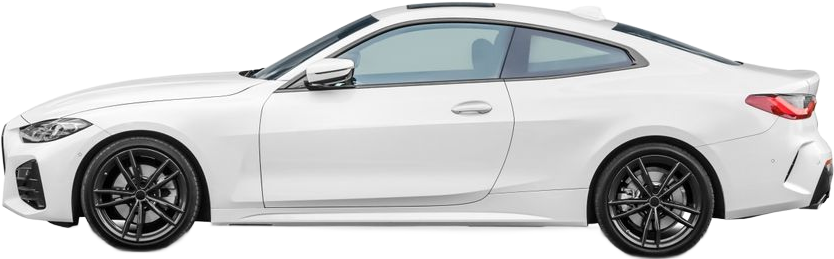
Luxury vehicles in Tempe face accelerated clear coat oxidation from year-round UV exposure, and their premium multi-stage paint finishes show water spots and swirl marks more visibly than standard automotive paints, which makes preventive protection critical for maintaining appearance and resale value. Ceramic coatings form a semi-permanent bond with the clear coat that increases surface hardness, creates a hydrophobic layer that repels water and contaminants, and provides a sacrificial barrier against minor abrasions that would otherwise penetrate directly into the paint. Motor City Auto City LLC applies ceramic formulas selected based on the vehicle's paint system, whether it sees daily driving or occasional use, and how much maintenance the owner is willing to perform to sustain the coating's effectiveness.
The coating application process requires complete decontamination of the paint surface to remove embedded iron particles, tar, and previous wax layers that would prevent proper bonding. Any existing swirl marks or oxidation are corrected through machine polishing before the ceramic formula is applied, since the coating amplifies rather than hides surface imperfections. Once applied, the coating must cure in a controlled environment away from moisture and temperature fluctuations, which typically requires 24 to 48 hours before the vehicle can be driven or exposed to weather.
Schedule a paint assessment to determine the surface preparation required and review coating options suited to your vehicle's finish.

The Difference Between Coated and Uncoated Surfaces
Application begins with clay bar treatment to extract contaminants, followed by paint correction using dual-action polishers with foam pads selected based on the paint's hardness. The ceramic coating is applied in small sections using applicator pads, allowed to flash for a specified time, and then buffed with microfiber towels to level the coating and activate its hydrophobic properties. Infrared curing lamps may be used to accelerate the chemical cross-linking process that bonds the coating to the clear coat at a molecular level.
After curing, water beads into tight droplets and rolls off the surface rather than spreading and leaving mineral deposits, and dirt loses much of its ability to bond chemically with the paint, which makes washing less abrasive and more effective. The finish takes on enhanced depth and gloss because the coating creates a perfectly smooth surface that reflects light uniformly, and the paint is protected from oxidation caused by UV rays breaking down the clear coat's polymer chains over time.
The coating does not prevent rock chips, key scratches, or damage from impacts, and it requires maintenance washing with pH-neutral soaps to avoid degrading the hydrophobic layer prematurely. While the protection lasts for several years, exposure to harsh chemicals, abrasive wash methods, or prolonged neglect will reduce its effectiveness, so the coating works best as part of an ongoing maintenance routine rather than a set-it-and-forget-it solution.
What Property Owners Usually Ask
Luxury vehicle owners in Tempe often want to understand how ceramic coatings perform under desert conditions and what maintenance is required to keep the protection effective.
How does ceramic coating protect against Arizona's intense UV exposure?
The coating contains UV inhibitors that absorb and dissipate ultraviolet radiation before it penetrates the clear coat, slowing the oxidation process that causes paint to fade and lose gloss over time, though it does not eliminate UV damage entirely on vehicles parked outdoors continuously.
What preparation is required before ceramic coating can be applied?
The paint must be completely free of contaminants, wax, and sealants, and any swirl marks or scratches need to be removed through machine polishing, since the coating locks in the surface condition present at the time of application and cannot hide imperfections.
Why does washing become easier after the coating cures?
The hydrophobic surface prevents dirt, brake dust, and insect residue from bonding as firmly to the paint, so contaminants rinse away with less agitation and reduce the risk of scratching during the wash process, though washing is still necessary to maintain the coating's water-repelling properties.
How long does the hydrophobic effect last on vehicles in Arizona?
The water-beading properties typically remain strong for two to five years depending on sun exposure, washing frequency, and whether the vehicle is garaged, with outdoor-parked cars experiencing faster degradation from constant UV and heat cycling than those stored inside.
What maintenance does the coating require to stay effective?
Regular washing with pH-neutral soap every two to four weeks removes contaminants before they etch into the coating, and periodic application of a ceramic boost spray can restore water beading, but automatic car washes with harsh detergents or abrasive brushes should be avoided to prevent premature wear.
Motor City Auto City LLC tailors the coating process to your vehicle's paint condition, usage patterns, and maintenance preferences. Request a detailed consultation to review the preparation steps and coating formulas available for your luxury automobile.